
 By messerandtraining@gmail.com
 |
Getting your Trinity Audio player ready...
|
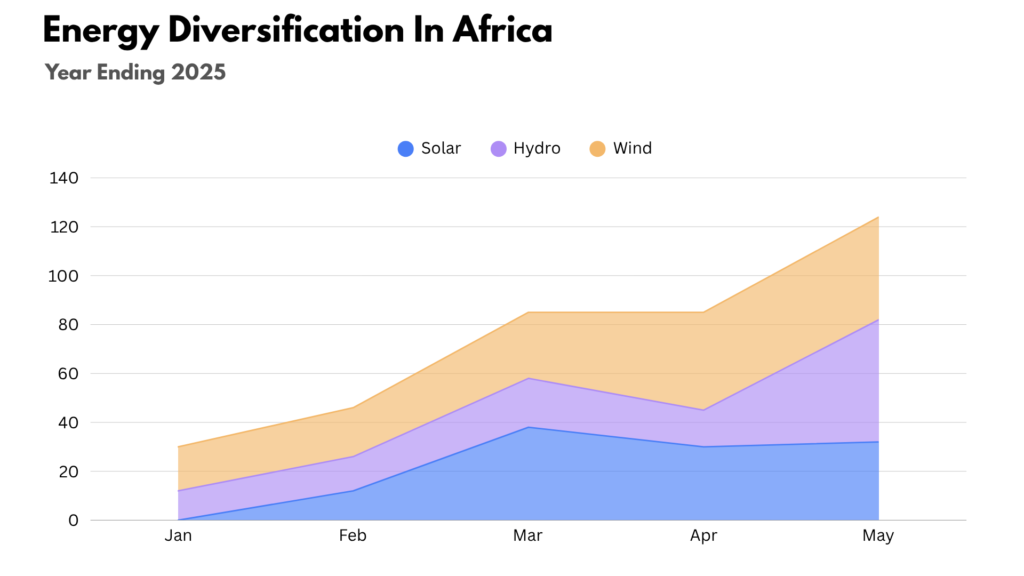
By 2025, the African energy landscape is expected to witness substantial changes driven by increasing energy consumption, especially in developing economies. With a population growth that is projected to exceed 1.4 billion, energy demand is anticipated to rise correspondingly across various sectors, including residential, commercial, and industrial. This surge in demand will be accompanied by a growing emphasis on sustainable energy solutions, particularly solar, hydro, and wind energy, which are becoming prominent players in the African energy market.
Several factors are contributing to this transformation. Firstly, there has been a marked increase in investment from both domestic and international players, recognizing the potential of the African continent’s vast renewable energy resources. Governments are leveraging this investment climate by creating favorable regulatory frameworks that encourage the adoption of renewable technologies. Key stakeholders such as local energy companies, multinationals, and non-governmental organizations are increasingly collaborating to improve energy access and promote sustainable practices.
The African Union, along with various national governments, is actively implementing policies aimed at expanding renewable energy capacity. For instance, several countries have set ambitious renewable energy targets, with a focus on solar, wind, and hydroelectric projects. Countries like South Africa and Kenya are leading the way in the deployment of solar and wind technologies, significantly contributing to the continent’s grid capacity while also generating employment opportunities.
Moreover, the role of governmental incentives cannot be overlooked. Initiatives such as feed-in tariffs, tax exemptions, and investment grants are being utilized to foster a favorable environment for renewable energy development. Collectively, these trends indicate that by 2025, Africa is poised to evolve into a more diversified energy market, with solar, hydro, and wind energy sectors playing key roles in propelling the continent towards sustainable energy solutions.
As the year 2025 approaches, the solar energy market in Africa exhibits significant growth, characterized by a remarkable increase in consumption across households and businesses. Recent projections estimate that by 2025, over 30 million homes will have adopted solar energy solutions, greatly enhancing energy accessibility and sustainability. This trend is bolstered by declining costs of solar panels and an array of technological advancements, including more efficient photovoltaic cells and affordable energy storage systems. These developments play a crucial role in improving the viability of solar energy installations.
Governments and non-governmental organizations (NGOs) are actively promoting the adoption of solar energy through various initiatives. For instance, several countries are implementing policies to incentivize the installation of solar systems, offering subsidies and tax credits aimed at lowering the entry barriers for consumers. Additionally, collaborative efforts between international organizations and local governments are facilitating the deployment of solar projects in rural areas, where traditional energy sources are often inaccessible.
Despite these positive trends, challenges remain that may hinder the broader adoption of solar energy across the continent. Issues such as lack of adequate infrastructure for energy distribution and limited awareness among communities about the benefits of solar energy still pose significant barriers. Furthermore, funding for solar installations can be constrained, particularly in less economically developed regions. To address these challenges, stakeholders are focusing on education and training programs to raise awareness and enhance skills, alongside innovative financing solutions that can help lower the cost of entry for solar energy consumers.
Hydro energy has emerged as a crucial player in Africa’s future energy landscape, particularly as the continent seeks to meet its growing electricity demand and mitigate climate change impacts. By 2025, several African regions are expected to harness their vast hydroelectric potential, with notable contributions from the Congo River Basin, the Nile Valley, and the Zambezi River. Currently, countries like Ethiopia, Democratic Republic of Congo, and Mozambique are leading the charge with large-scale hydroelectric projects.
One of the most significant projects underway is the Grand Ethiopian Renaissance Dam, which aims to produce over 6,000 megawatts of electricity once operational. This project not only represents an ambitious stride toward energy independence for Ethiopia but also has implications for regional power dynamics in East Africa. Other notable projects include the Inga Dam in the Democratic Republic of Congo, which has the potential to become one of the largest hydroelectric facilities in the world.
While the construction of hydro projects plays a vital role in addressing energy deficiencies, it is essential to acknowledge the environmental and social impacts they may carry. Large reservoirs may disrupt local ecosystems, displace communities, and impact water quality downstream. A balanced approach is necessary to ensure that hydro energy development does not compromise social equity and environmental sustainability. The implementation of comprehensive environmental assessments and community engagement initiatives is crucial to mitigate these effects.
International partnerships and funding have become instrumental in advancing hydro energy projects across Africa. Organizations such as the African Development Bank and several bilateral aid agencies provide financial backing and technical expertise to bolster sustainable practices within the industry. As the continent moves forward, collaboration will be vital in ensuring that hydro energy serves as a cornerstone of sustainable development, promoting economic growth while maintaining ecological integrity.
As we look towards 2025, wind energy stands poised to play a significant role in reshaping the energy landscape of Africa. In recent years, there has been a dramatic rise in the adoption of wind energy across the continent, with projections indicating an increase in energy production of approximately 120 million kilowatts. This remarkable growth reflects not only the continent’s natural wind resources but also the increasing recognition of the need for sustainable energy sources.
Key wind energy projects are emerging in various African nations, showcasing the potential of this renewable resource. For instance, countries such as South Africa and Kenya have already established national wind farms that contribute significantly to their energy supply. The Lake Turkana Wind Power project in Kenya stands out as one of the largest wind farms in Africa, producing around 310 megawatts of energy. Such projects highlight how investments in wind technology are pivotal for enhancing energy reliability and promoting economic growth.
The rapid growth of wind energy in Africa can largely be attributed to several key factors. Technological innovations, such as improved turbine efficiency and reduced costs, have made wind energy more accessible and affordable. Furthermore, increasing investments from both governmental and private sectors have provided the necessary infrastructure to support wind energy initiatives. Additionally, as nations diversify their energy portfolios, the economic benefits of wind energy are becoming increasingly apparent. Job creation in the manufacturing, installation, and maintenance sectors is notably significant, leading to enhanced employment opportunities in local communities.
Moreover, the expanded use of wind energy contributes to energy independence for many African nations. By harnessing domestic wind resources, countries can reduce their reliance on fossil fuels, thereby promoting energy security and sustainability. As the continent progresses towards its renewable energy goals, the integration of wind energy into the existing energy mix will be crucial for driving economic development and ameliorating the effects of climate change.